Alberta's $14 recycling fee on new solar panels has the renewable energy industry pushing back, arguing it could deter investment in the province's green energy market. The government defends it as proactive recycling infrastructure funding.
renewable energySaturday, June 20, 2026
Today's renewable energy news is split between policy friction and technological firsts. Alberta's new solar panel recycling fee has the industry up in arms, while California launches its first long-term wave energy project and France opens a massive offshore wind tender. The tension between scaling up and dealing with the consequences is the day's through-line.
Two stories today highlight how regulatory and financial decisions shape renewable deployment.

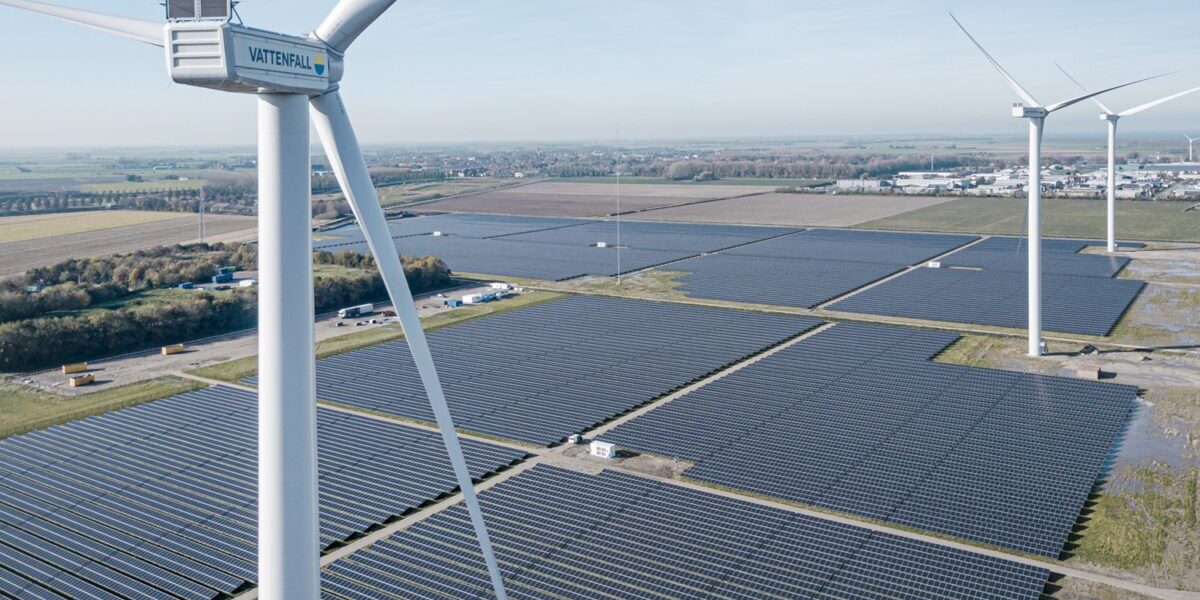
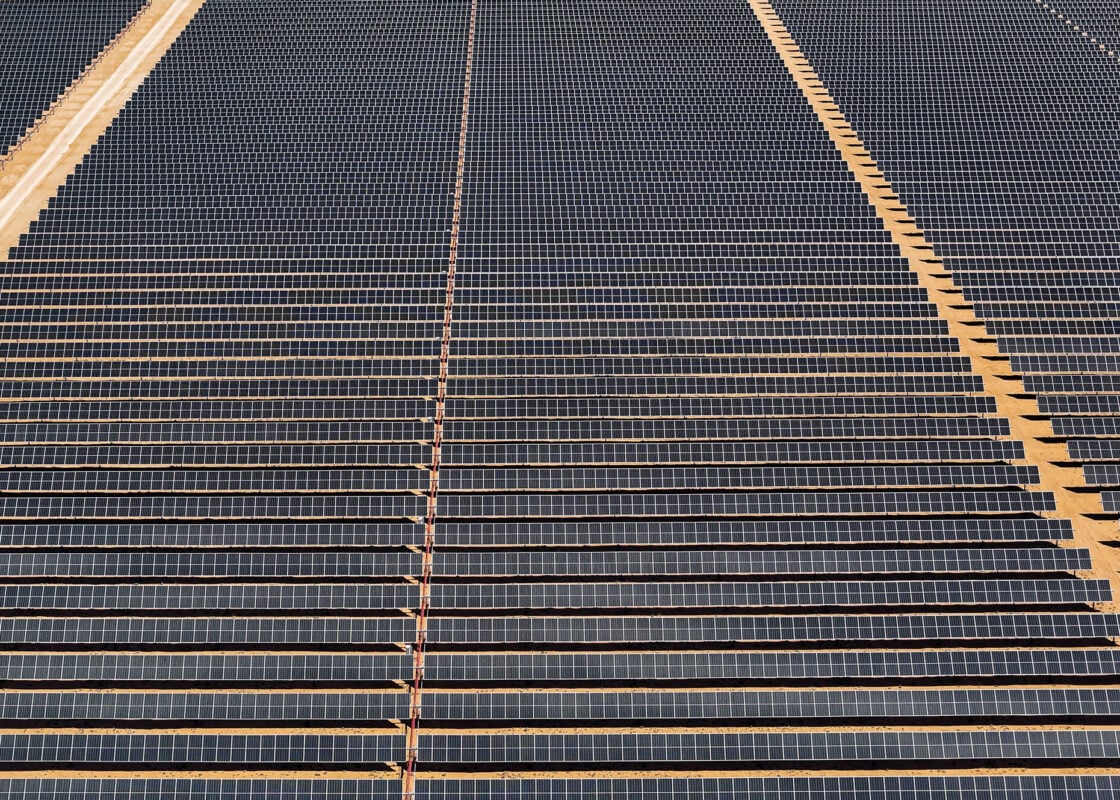
Alberta's $14 recycling fee on new solar panels has the renewable energy industry pushing back, arguing it could deter investment in the province's green energy market. The government defends it as proactive recycling infrastructure funding.
A new NERA study warns that restricting U.S. wind and solar deployment could cost $121 billion in unnecessary energy costs by forcing reliance on volatile natural gas.
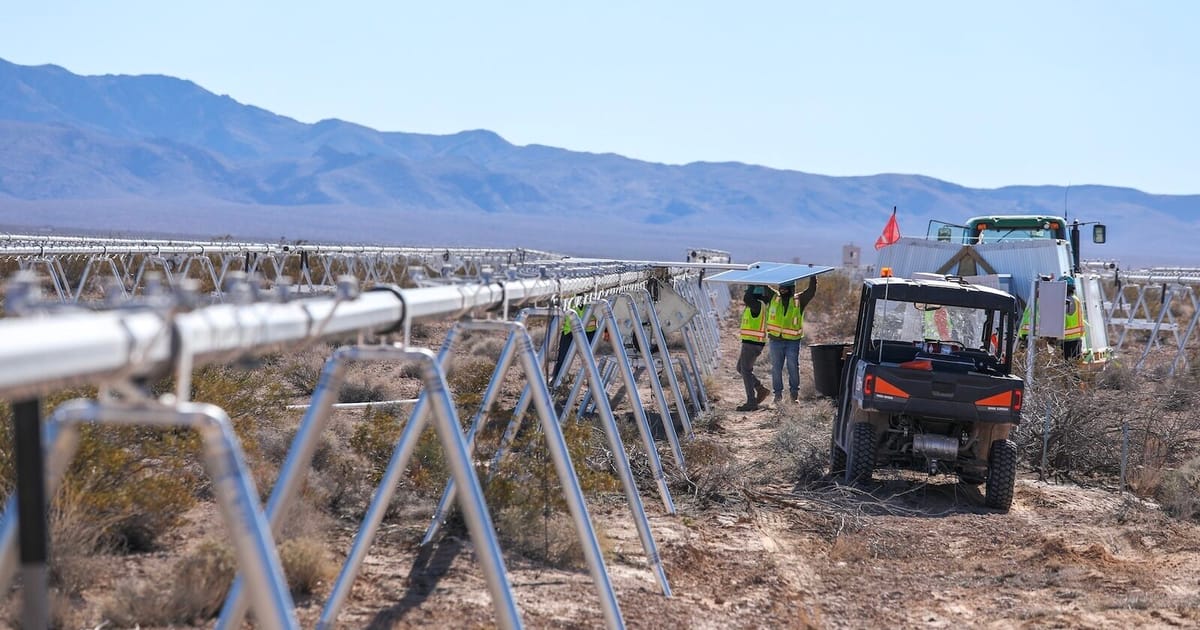
Solar and wind developers are racing to meet a July 4 deadline for IRA tax credits under the Trump administration, with larger players safe-harboring projects while smaller developers struggle with compliance costs.
Meanwhile, several projects push the boundaries of what's possible in renewable energy.
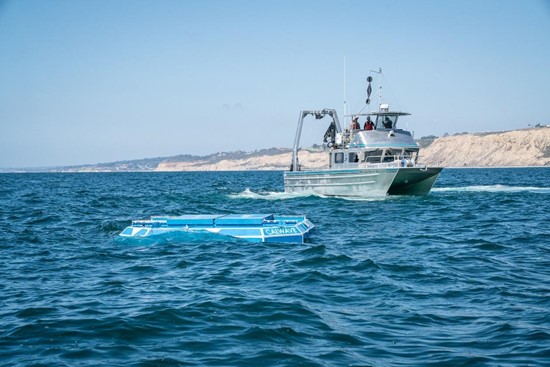
CalWave has launched California's first long-duration wave energy pilot off the coast, aiming to prove the technology's viability for coastal communities and eventual grid connection.
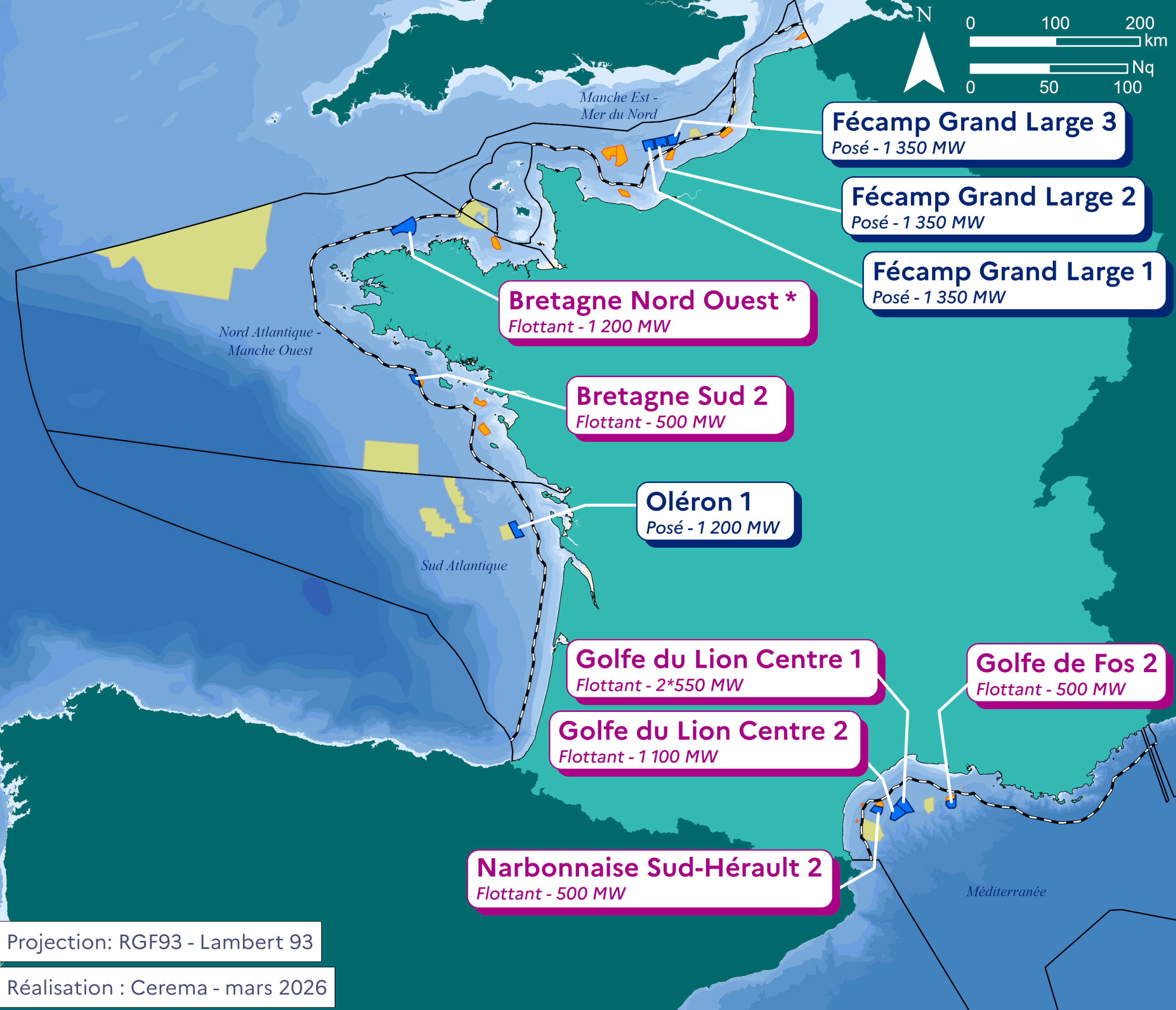
France has opened a tender for eleven offshore wind projects totaling over 10 GW off Normandy, including seven floating and four fixed-bottom farms, a major expansion of its offshore wind ambitions.
Qcells' Georgia factory is on track to become the largest solar cell production facility in U.S. history by Q3 2026, producing every major panel component under one roof and reducing import dependence.
Origis Energy secured $900 million in financing to advance over 5 GW of late-stage solar and storage projects, signaling continued investor confidence in utility-scale renewables.
The interaction between renewable infrastructure and the natural environment continues to produce surprising results.

A five-year study by Argonne and NREL found that solar facilities built on retired farmland and planted with native grasses can restore insect populations and biodiversity, including pollinators.
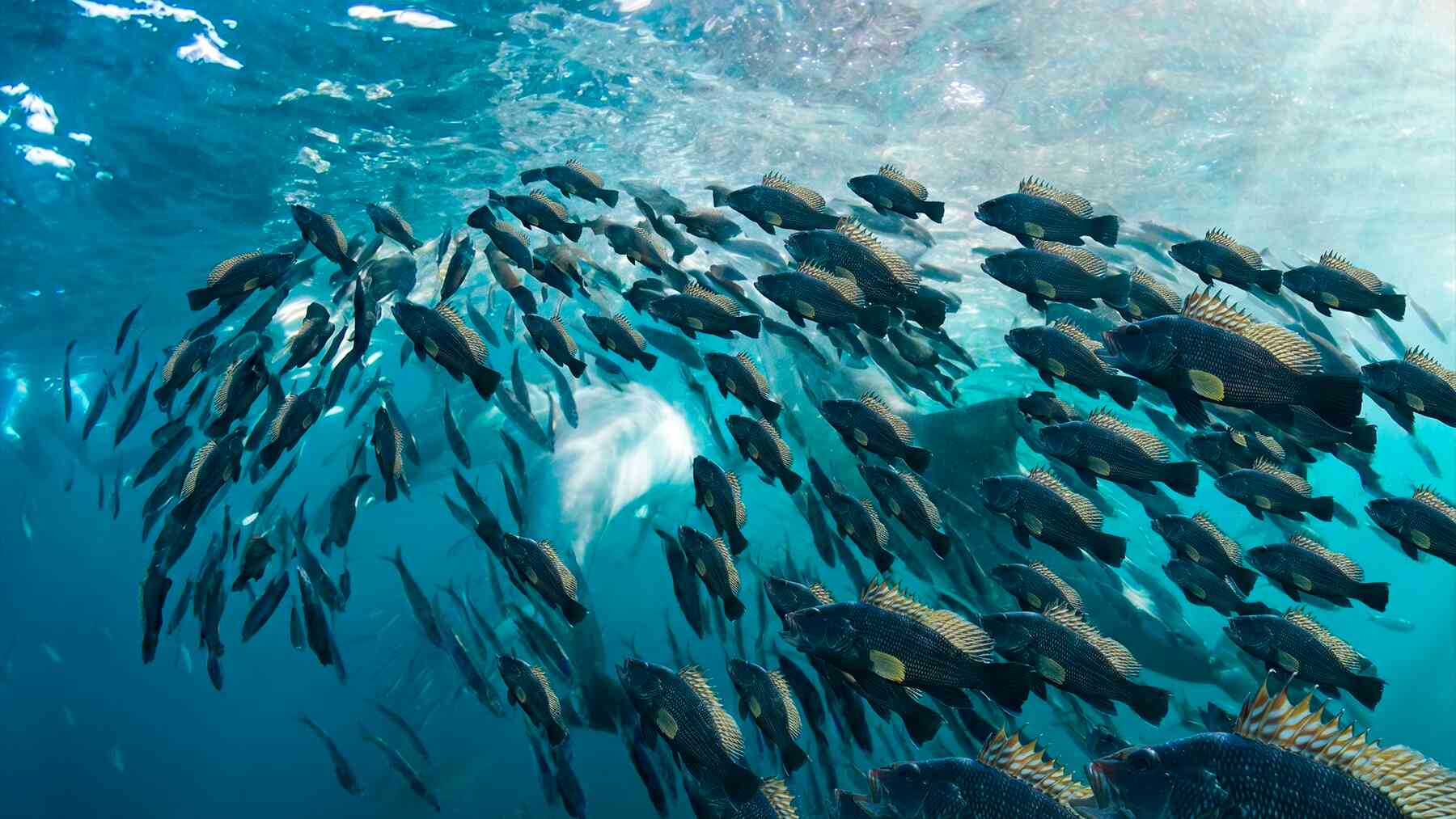
A seven-year study of Rhode Island's offshore wind farm found that turbine foundations created a thriving artificial reef, with black sea bass and other marine species flourishing, contrary to fears of ecosystem harm.
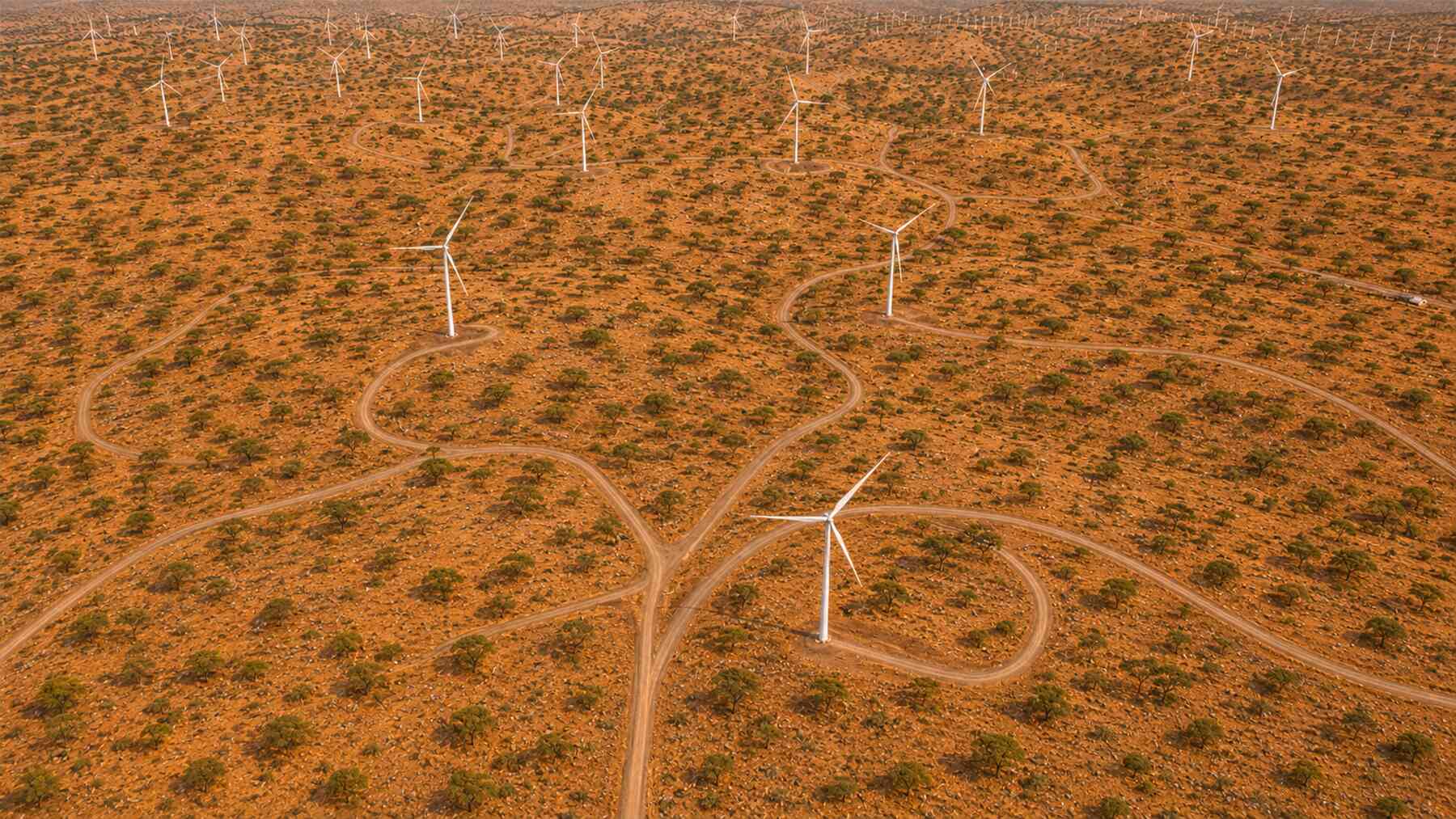
A proposed 900 MW wind farm in Tasmania faces backlash because turbines would be placed in the flight path of a critically endangered parrot, highlighting the conflict between renewable energy and wildlife conservation.
space industry roundup
publishing roundup
psychology roundup
entrepreneurship roundup
history roundup
photography roundup